


How to evaluate the waterproof performance of aluminum profiles for doors and windows?


In daily life, aluminum doors and windows are often corroded by external moisture such as rainwater. If the waterproof performance is poor, it will not only affect the service life of the doors and windows, but may also lead to indoor leakage problems, causing troubles to residents.
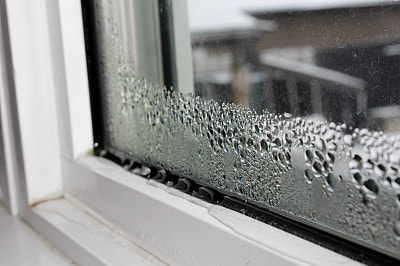
What is the waterproof performance of door and window aluminum profiles? The waterproof performance refers to the ability of window aluminum profiles to prevent water seepage under the action of external moisture and keep the interior dry.
Evaluating the waterproof performance of door and window aluminum profiles is a comprehensive process that requires analysis and consideration from multiple aspects. The following are a well - organized set of evaluation steps and conclusions:
Evaluation Steps:
1. Material Performance Analysis:
Basic properties of aluminum: Aluminum is a metallic material with a low density and good corrosion resistance, but it is not absolutely waterproof.
Electrochemical properties: Aluminum may undergo electrochemical corrosion in acidic or alkaline environments, so precautions should be taken.
2.Surface Treatment Evaluation:
Coating: Such as galvanizing or coating with zinc fluoride, etc., which provides a protective layer to prevent aluminum from coming into direct contact with water.
Painting: Waterproof paint can form a protective layer to prevent water penetration. It is necessary to ensure that the paint is applied evenly and has a sufficient thickness.
3. Manufacturing Process Inspection:
Surface pre - treatment: Clean and remove oxides to avoid impurities and defects.
Coating coverage: Ensure that the coating is thick enough and covers all key parts to prevent water penetration.
4.Installation Method Evaluation:
Installation gaps: Ensure that there are sufficient gaps or waterproof strips during installation to prevent water penetration.
Sealing performance: Check the suitability and sealing force of the sealing strips to prevent rainwater from entering.
5.Environmental Factor Analysis:
Temperature and humidity: High temperature and high humidity accelerate corrosion, and the usage environment needs to be considered.
Geographical location: Being close to the ocean or pollution sources may increase the corrosion risk.
Usage environment: Environments with frequent water contact require higher waterproof requirements.
6.Testing Methods:
Conductivity test: Detect electrochemical corrosion.
Water penetration test: Observe the water penetration situation.
Metal activity test: Evaluate the corrosion risk.
Surface observation and dimension measurement: Intuitively evaluate the waterproof effect.
